
Raw Carob Powder

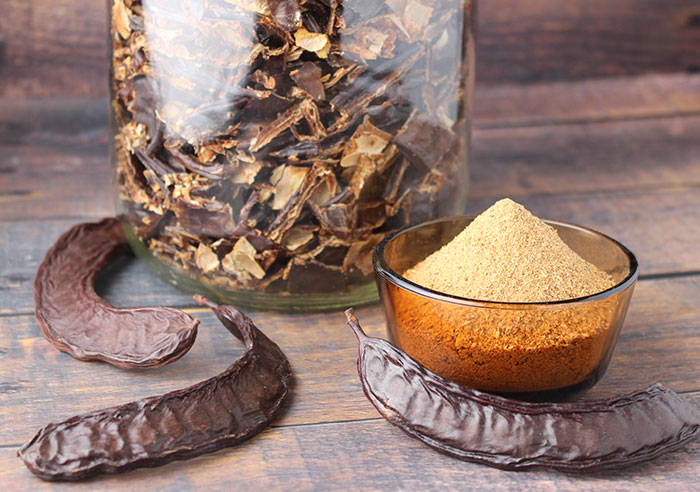
Raw Carob Powder is derived from the dried pods of the carob tree (Ceratonia siliqua). The pods are ground into a fine, dark brown powder, which is often used as a natural alternative to cocoa powder. Carob powder has a sweet, mild, and slightly nutty flavor, making it a popular ingredient in various recipes, especially for those seeking caffeine-free options. The powder is rich in fiber and natural sugars, offering a nutritious alternative to chocolate.

1. Size:

  • Carob pods vary in size, but once ground, the powder has a fine, consistent texture. It typically appears as a dark brown powder.

2. Color:

  • The powder is dark brown, reflecting the color of the roasted carob pods from which it is made.

3. Texture:

  • The texture of carob powder is fine and smooth, similar to cocoa powder. It blends well into liquids and dry ingredients.

4. Fragrance:

  • Carob powder has a mild, sweet aroma with subtle nutty undertones, which makes it pleasant and inviting in both sweet and savory dishes.

5. Uses:

  • Raw Carob Powder is commonly used as a cocoa powder substitute in baking, smoothies, and desserts. It can be added to cakes, cookies, and brownies for a rich flavor without caffeine.

  • Due to its high fiber content and natural sugars, it can be used as a healthful additive in various recipes to boost nutritional value.

  • It can be used to make carob-based hot drinks or added to coffee alternatives.

  • Carob powder is often used in dietary plans for those who need to avoid caffeine or chocolate due to sensitivities or preferences.

6. Habitat:

  • The carob tree is native to the Mediterranean region but is now grown in various parts of the world with a similar climate. It thrives in warm, dry environments and is well-suited to areas with minimal frost.

7. Cultural and Spiritual Significance:

  • Carob has historically been used as a symbol of sweetness and abundance. Its use in ancient cultures was often associated with celebratory and ceremonial foods.

  • In some cultures, carob was used as a substitute for chocolate in religious and fasting periods due to its sweetness and health benefits. It is also valued for its role in traditional medicine.

Spiritual Properties

  • Harmony and Balance: Carob is believed to help promote emotional balance and harmony. Its natural sweetness is thought to bring comfort and a sense of well-being.

  • Grounding: The powder is sometimes used in spiritual practices for grounding and connecting with the earth. Its use in food is thought to promote a connection to nature and a balanced lifestyle.

Medicinal Properties

  • Rich in Fiber: Carob powder is high in dietary fiber, which aids in digestion and helps maintain a healthy digestive system.

  • Low in Fat: It contains minimal fat, making it a healthier alternative to cocoa powder in terms of calorie and fat content.

  • Antioxidant Properties: Carob is rich in antioxidants, which help combat oxidative stress and protect the body from free radical damage.

  • Calcium Content: It is a good source of calcium, which is essential for bone health and other physiological functions.

Allergic Reactions

Carob powder is generally considered safe for most individuals. However, some people may experience mild allergic reactions, such as skin irritation or gastrointestinal discomfort, especially if they have a sensitivity to legumes.

  • Digestive Discomfort: In some cases, excessive consumption may lead to bloating or gas due to its high fiber content. It’s advisable to start with small amounts to assess tolerance.
  • Potential Allergic Reactions: Those with legume allergies should exercise caution as carob is related to legumes. Symptoms may include itching, rash, or digestive issues.
  • Overconsumption Effects: Excessive intake of carob powder can lead to digestive issues such as bloating or flatulence due to its fiber content.

Leave a Reply

Maca Root

Maca Root

Maca Root Maca Root is a plant native to the Andes Mountains in Peru, known for its tuberous root that has been used for centuries

Lemon Balm

Lemon Balm

Lemon Balm Lemon Balm is a perennial herb in the mint family, known for its lemon-scented leaves and small, delicate flowers. It has been used
Usnea

Usnea

Usnea Usnea, commonly known as Old Man's Beard or Beard Lichen, is a type of lichen that grows on trees, appearing as wispy, pale green,

Valerian Root

Valerian Root

Valerian Root Valerian Root, derived from the Valeriana officinalis plant, is a well-known herb used for its calming and sedative properties. It is commonly utilized

Wild Lettuce

Wild Lettuce

Wild Lettuce Wild Lettuce, also known as Bitter Lettuce or Opium Lettuce, is a tall, biennial plant that belongs to the Asteraceae family. It is

Benzoin Gum Powder

Benzoin Gum Powder

Benzoin Gum Powder Benzoin Gum Powder is derived from the resin of the Styrax benzoin tree, known for its sweet, balsamic aroma. The resin is