Raspberry Leaf

Raspberry Leaf is a versatile herb that comes from the red raspberry plant. It has been used for centuries in traditional medicine for its numerous health benefits, particularly for women’s health. The leaves are typically harvested during the spring and summer months and dried for use in teas, tinctures, and herbal remedies. Known for its subtle, slightly bitter flavor, Raspberry Leaf is often described as tasting similar to black tea. It is a popular choice among herbalists for its gentle yet effective medicinal properties.

1. Size:

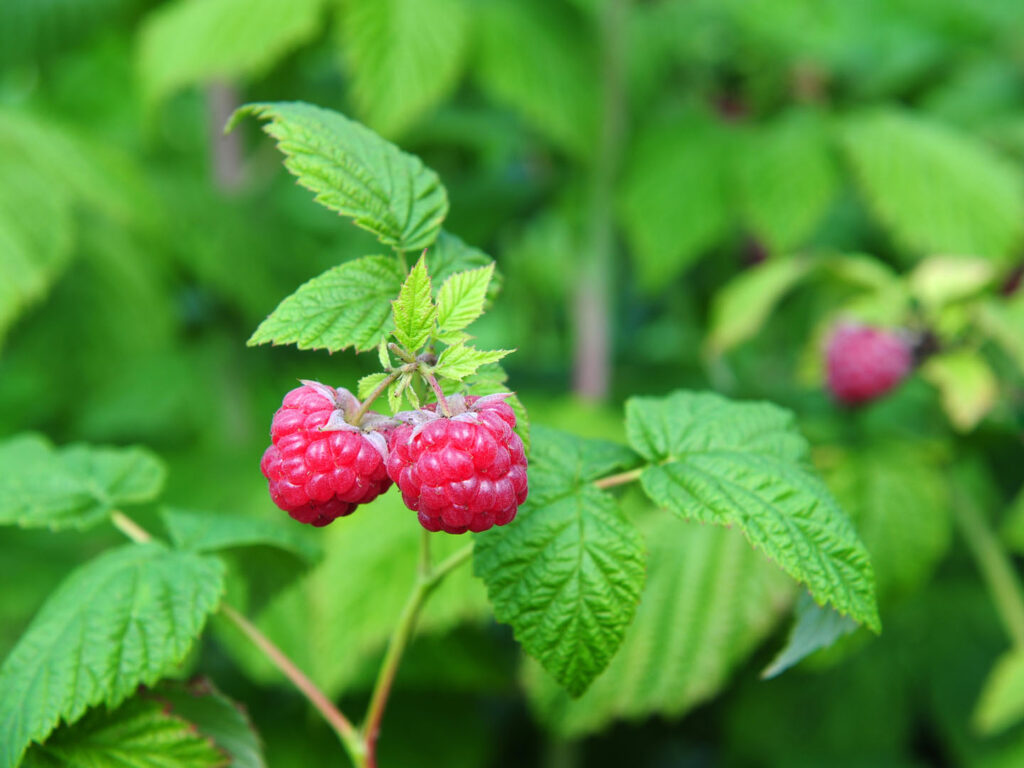
  • The leaves of the raspberry plant are medium-sized, usually about 2 to 4 inches (5 to 10 cm) in length. They have a serrated edge and a soft, velvety texture on the underside.

2. Color:

  • Raspberry leaves are a deep green color, with a slightly lighter green on the underside. When dried, they take on a more muted green to brownish-green hue.

3. Texture:

  • Fresh raspberry leaves are slightly rough on the top surface and soft, almost fuzzy, on the underside. Once dried, the leaves become more brittle and crumbly.

4. Fragrance:

  • Raspberry Leaf has a mild, earthy fragrance. When brewed into tea, it releases a delicate herbal aroma with hints of sweetness.

5. Uses:

  • Raspberry Leaf is commonly used to support reproductive health, especially during pregnancy. It is believed to strengthen the uterine walls and may help ease labor.
  • The leaf is also used to alleviate menstrual cramps and regulate menstrual cycles.
  • Raspberry Leaf tea is often consumed to soothe the digestive system, helping to relieve nausea, indigestion, and diarrhea.
  • Due to its astringent properties, Raspberry Leaf is used in herbal remedies to treat wounds and reduce bleeding.

7. Habitat:

  • Raspberry plants thrive in temperate climates and are commonly found in the wild across Europe, North America, and parts of Asia. They prefer well-drained soil and full sunlight but can also tolerate partial shade.

8. Cultural and Spiritual Significance:

  • Raspberry Leaf has long been associated with fertility and womanhood. It has been used in various cultures to support women’s health, particularly during pregnancy and childbirth.
  • In European folklore, Raspberry Leaf was believed to bring protection and good fortune. It was often used in rituals to promote fertility and safe childbirth.
  • The leaf is sometimes used in spiritual practices to promote healing and balance, especially related to the reproductive system.

Spiritual Properties

  • Feminine Energy: Raspberry Leaf is strongly associated with feminine energy and is often used in rituals to honor the divine feminine and promote fertility.
  • Protection: The leaf is believed to offer protective qualities, especially for women during pregnancy and childbirth.
  • Healing and Balance: Raspberry Leaf is thought to bring healing and balance to the body and mind, particularly in relation to reproductive health.

Medicinal Properties

  • Uterine Tonic: Raspberry Leaf is known as a uterine tonic, helping to tone and strengthen the uterus, making it a popular choice during pregnancy.
  • Antioxidant: The leaf is rich in antioxidants, which help protect the body’s cells from damage and support overall health.
  • Anti-inflammatory: Raspberry Leaf has anti-inflammatory properties that can help reduce pain and inflammation in the body.
  • Nutrient-Rich: The leaf is packed with essential nutrients, including vitamins C, E, and B, as well as minerals like iron, calcium, and magnesium, making it a valuable addition to the diet.

Allergic Reactions

Raspberry Leaf is generally considered safe for consumption and handling, especially when used in the form of tea or other herbal preparations.

    • Pregnancy Complications: While Raspberry Leaf is generally safe during pregnancy, it should be used with caution, particularly in the early stages of pregnancy. Overconsumption may lead to uterine contractions, which could potentially cause complications.
    • Allergic Reaction: Although uncommon, some individuals may experience an allergic reaction to Raspberry Leaf, characterized by itching, swelling, or difficulty breathing. If any of these symptoms occur, discontinue use immediately.
    • Skin Irritation: Although rare, some individuals may experience mild skin irritation or rash when handling fresh raspberry leaves, particularly those with sensitive skin.
    • Gastrointestinal Discomfort: Ingesting large amounts of Raspberry Leaf may lead to mild gastrointestinal discomfort, including nausea or an upset stomach. It’s advisable to consume it in moderate quantities.
    • Nausea: In some cases, Raspberry Leaf tea or supplements may cause nausea, especially if consumed on an empty stomach.
    • Diarrhea: Excessive consumption of Raspberry Leaf can lead to diarrhea or loose stools due to its mild laxative effect.

Leave a Reply

Kratom

Kratom

Kratom Kratom is an evergreen tree belonging to the coffee family, Rubiaceae. It grows to a height of 12 to 30 meters (40 to 100

Chamomile Flowers

Chamomile Flowers

Chamomile Flowers Chamomile Flowers are small, daisy-like blossoms known for their soothing and calming properties. These flowers have been used for centuries in herbal medicine,

Sage Leaf

Sage Leaf

SageLeaf Sage Leaf comes from the Salvia officinalis plant, which is part of the mint family. The leaves are known for their aromatic properties and

Dandelion Root

Dandelion Root

Dandelion Root Dandelion Root, derived from the Taraxacum officinale plant, is a well-known herb in traditional medicine and herbal remedies. While often regarded as a

Menthol Crystals

Menthol Crystals

Menthol Crystals Menthol Crystals are derived from peppermint oil and are known for their strong, cooling sensation and refreshing fragrance. These crystals are used in

Wild Lettuce

Wild Lettuce

Wild Lettuce Wild Lettuce, also known as Bitter Lettuce or Opium Lettuce, is a tall, biennial plant that belongs to the Asteraceae family. It is