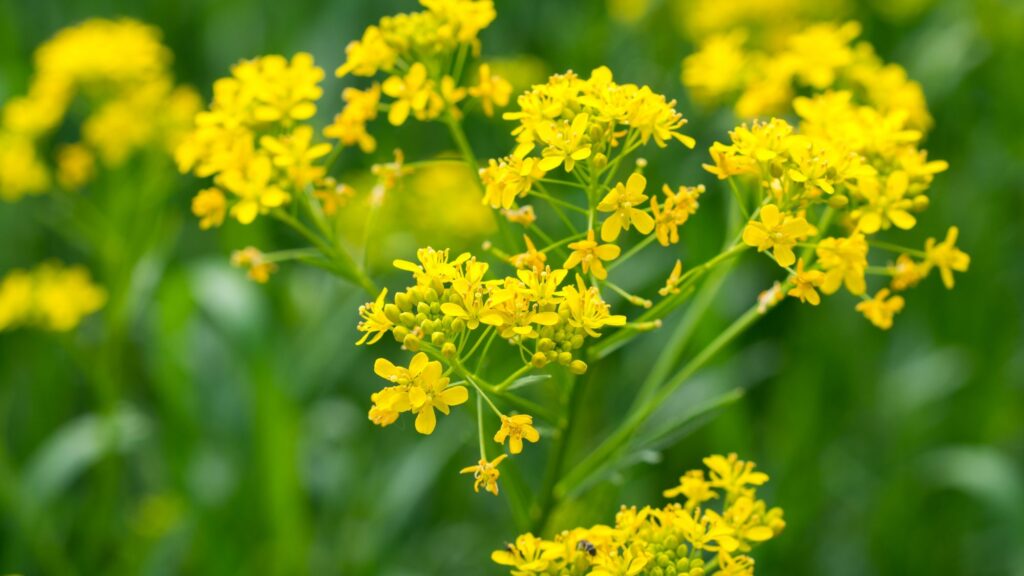
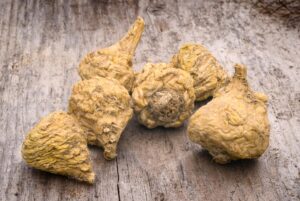
Maca Root
Maca Root Maca Root is a plant native to the Andes Mountains in Peru, known for its tuberous root that has been used for centuries
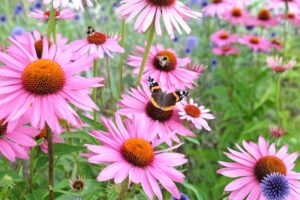
Echinacea Purpurea Leaf
Echinacea Purpurea Leaf Echinacea Purpurea Leaf is a well-known herb valued for its immune-boosting properties and use in traditional medicine. It is commonly used to
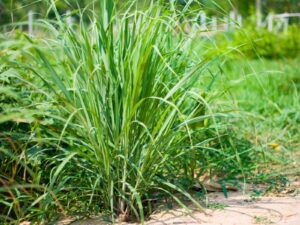
Lemon Grass
Lemon Grass Lemon Grass is a tropical herb known for its fresh, lemony aroma and flavor. It is widely used in culinary dishes, especially in
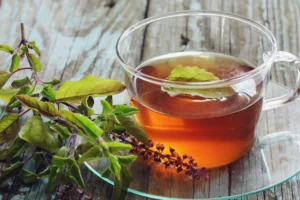
Holy Basil (Tulsi) Protection Tea
Holy Basil (Tulsi) Protection Tea A sacred tea known for its spiritual protection and ability to promote inner strength, clarity, and resilience. Ingredients: Holy Basil

Healing Bath for Emotional Trauma
Healing Bath for Emotional Trauma This bath is designed to aid in emotional healing and the release of negative feelings, making it ideal for times
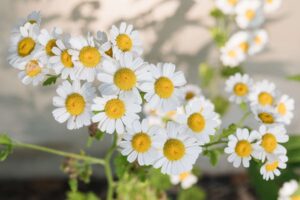
Chamomile Flowers
Chamomile Flowers Chamomile Flowers are small, daisy-like blossoms known for their soothing and calming properties. These flowers have been used for centuries in herbal medicine,