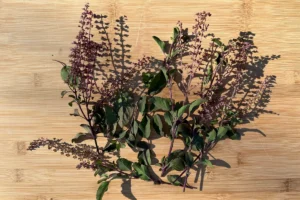
Rama Holy Basil
Rama Holy Basil Rama Holy Basil is a revered herb in Ayurveda and has a significant presence in traditional Indian medicine. Known for its aromatic
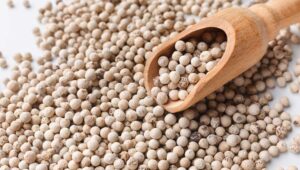
White Peppercorn
White Peppercorn White Peppercorns are derived from the same plant as black pepper, Piper nigrum, but are processed differently. They are fully ripened berries that
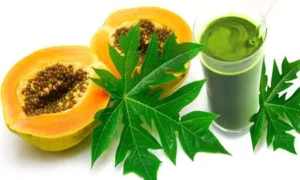
Papaya Leaf
Papaya Leaf Papaya Leaf (Carica papaya) comes from the tropical fruit tree known for its large, deeply lobed leaves. While the fruit of the papaya
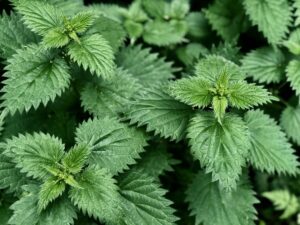
Nettle Leaf
Nettle Leaf Nettle Leaf is a versatile herb known for its numerous health benefits and uses in traditional medicine. It is often used for its

Healing Bath for Emotional Trauma
Healing Bath for Emotional Trauma This bath is designed to aid in emotional healing and the release of negative feelings, making it ideal for times
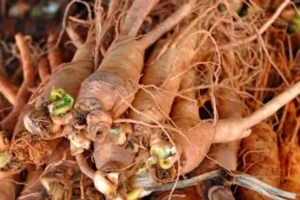
Eleuthero Root
Eleuthero Root Eleuthero Root, also known as Siberian Ginseng (Eleutherococcus senticosus), is a renowned adaptogenic herb that has been used for centuries in traditional medicine,