
Oregon Grape Root

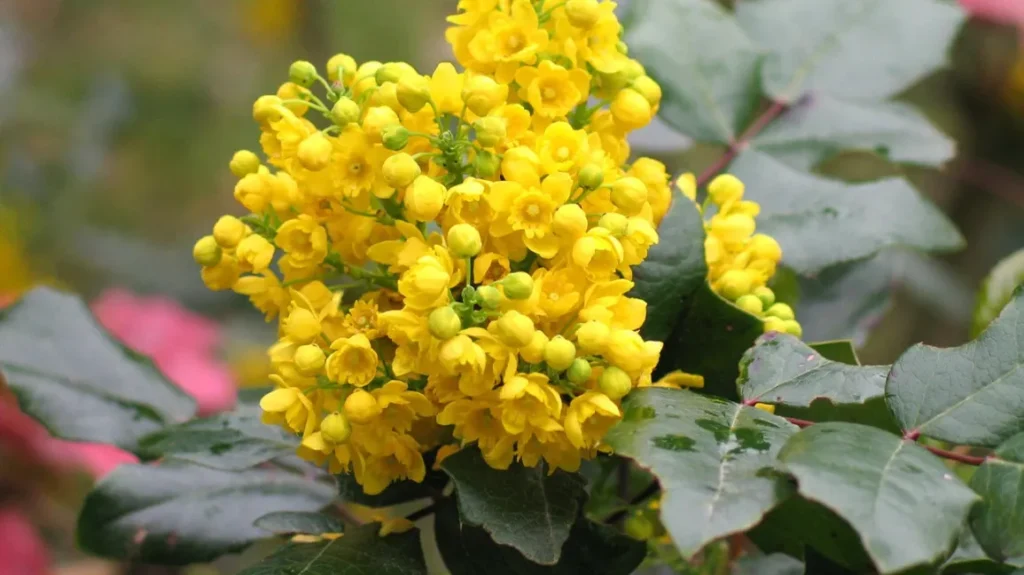
Oregon Grape Root (Mahonia aquifolium) is a perennial evergreen shrub native to the Pacific Northwest region of North America. It is known for its striking holly-like leaves, vibrant yellow flowers, and deep blue berries. The root of the plant has been used for centuries in traditional medicine for its various health benefits, particularly for its antimicrobial and anti-inflammatory properties.

1. Size:

  • Oregon Grape Root grows as a shrub, typically reaching a height of 3 to 6 feet (0.9 to 1.8 meters) and a similar width. It has a dense, bushy growth habit, making it a popular choice for hedges and ground cover.

2. Color:

  • The plant features dark green, glossy leaves that resemble holly, with spiny edges. In spring, it produces clusters of bright yellow flowers, followed by dark blue to purple berries. The root itself is a yellowish-brown color.

3. Texture:

  • The leaves of Oregon Grape Root are leathery and stiff, with a sharp, spiny texture along the edges. The root is woody and tough, requiring effort to harvest and process.

4. Fragrance:

  • Oregon Grape Root has a mild, earthy fragrance, especially when the root is freshly cut or ground. The flowers emit a sweet, honey-like scent that attracts pollinators.

5. Uses:

  • Oregon Grape Root is widely used in herbal medicine for its powerful antimicrobial, anti-inflammatory, and liver-supporting properties. It is commonly used to treat skin conditions like psoriasis and eczema, digestive issues, and infections.
  • While not commonly used in cooking, the berries of Oregon Grape Root can be made into jellies, syrups, and wines. The root itself is occasionally used in bitters and other herbal preparations.
  • The plant is often used in landscaping for its attractive foliage, flowers, and berries. It is drought-tolerant and thrives in various soil conditions, making it a versatile addition to gardens.

6. Habitat:

  • Oregon Grape Root thrives in the forested regions of the Pacific Northwest, particularly in well-drained, shaded areas. It is adaptable to different soil types and can be found growing in woodlands, along stream banks, and in open forests.

7. Cultural and Spiritual Significance:

  • Oregon Grape Root has been used by Native American tribes for centuries as a medicinal plant. It was traditionally used to treat a wide range of ailments, including digestive disorders, skin conditions, and infections.
  • The plant is sometimes seen as a symbol of resilience and strength due to its hardy nature and ability to thrive in various environments. It is valued for its healing properties and its role in traditional medicine.

Spiritual Properties

  • Purification: Oregon Grape Root is believed to have purifying qualities, both physically and spiritually. It is sometimes used in rituals to cleanse the body and mind, helping to clear negative energy and promote healing.
  • Protection: The plant is also associated with protection, particularly against negative influences and illness. It is often included in herbal blends or carried as a protective talisman.

Medicinal Properties

  • Antimicrobial: Oregon Grape Root contains berberine, a compound known for its strong antimicrobial properties. It is effective against a wide range of bacteria, fungi, and viruses, making it a popular choice for treating infections.
  • Anti-inflammatory: The root is also known for its anti-inflammatory effects, making it useful for treating inflammatory conditions such as arthritis, skin irritations, and digestive disorders.
  • Liver Support: Oregon Grape Root is traditionally used to support liver function and promote detoxification. It is believed to stimulate bile production, aiding digestion and helping to cleanse the liver.
  • Skin Health: The root is commonly used in herbal creams and ointments to treat skin conditions like psoriasis, eczema, and acne. Its antimicrobial and anti-inflammatory properties help soothe irritation and promote healing.

Allergic Reactions

Oregon Grape Root is generally considered safe for most people, but some individuals may experience allergic reactions or adverse effects.

  • Skin Irritation: Topical use of Oregon Grape Root may cause skin irritation in some individuals, particularly those with sensitive skin. Symptoms may include redness, itching, or a rash.
  • Allergic Reaction: In rare cases, some people may experience an allergic reaction to Oregon Grape Root, with symptoms such as hives, swelling, or difficulty breathing. If any allergic reactions occur, discontinue use immediately.
  • Gastrointestinal Issues: Ingesting large amounts of Oregon Grape Root may cause gastrointestinal discomfort, including nausea, vomiting, or diarrhea. It is recommended to use the herb under the guidance of a healthcare professional.
  • Lowered Blood Pressure: Oregon Grape Root has been reported to lower blood pressure in some individuals. Those with pre-existing low blood pressure or those taking medications for hypertension should use caution.
  • Drowsiness: Oregon Grape Root may cause mild drowsiness or fatigue, particularly when taken in large doses. It is advisable to avoid driving or operating heavy machinery until you know how it affects you.
  • Dry Mouth: Some users may experience dry mouth as a side effect of Oregon Grape Root. Staying hydrated and chewing sugar-free gum may help alleviate this symptom.

Leave a Reply

Frankincense Powder

Frankincense Powder

Frankincense Powder Frankincense Powder, derived from the resin of the Boswellia tree, is a revered substance with a long history of use in spiritual, medicinal,

Rama Holy Basil

Rama Holy Basil

Rama Holy Basil Rama Holy Basil is a revered herb in Ayurveda and has a significant presence in traditional Indian medicine. Known for its aromatic

Kratom

Kratom

Kratom Kratom is an evergreen tree belonging to the coffee family, Rubiaceae. It grows to a height of 12 to 30 meters (40 to 100

Uva Ursi

Uva Ursi

Uva Ursi Uva Ursi, also known as bearberry, is a small, evergreen shrub that is prized for its medicinal properties, particularly in treating urinary tract

Damiana Leaf

Damiana Leaf

Damiana Leaf Damiana Leaf is an aromatic herb known for its use in traditional medicine, particularly in Central and South America. It is valued for

Recipe Template

Recipe Template

Hibiscus Flowers The overall appearance of hibiscus flowers is bold and exotic, making them a popular choice for gardens, decorations, and floral arrangements. Their stunning