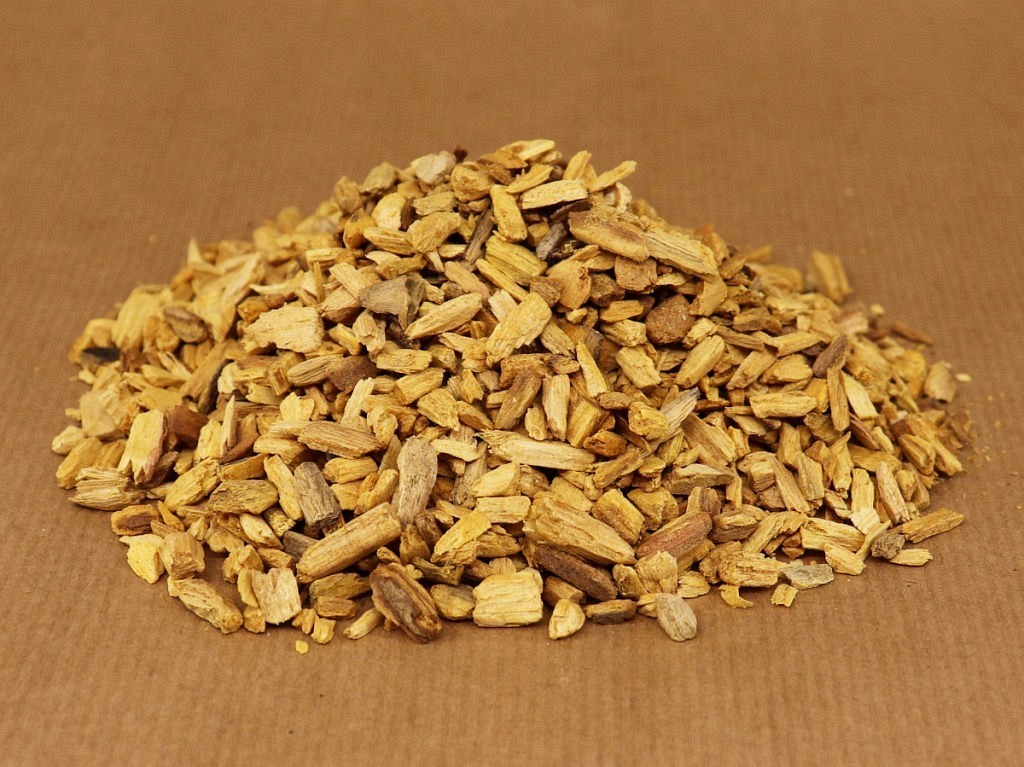

Spiritual Protection Bath
Spiritual Protection Bath This bath ritual is perfect for cleansing and protecting your aura from negative influences. Commonly used in spiritual practices for shielding and
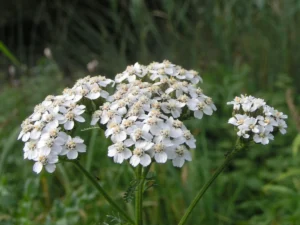
Yarrow Flower & Leaf
Yarrow Flower & Leaf Yarrow (Achillea millefolium) is a versatile herb known for its medicinal properties and distinctive appearance. The plant features delicate, feathery leaves
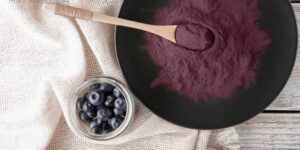
Acai Powder
Acai Powder Acai Powder is derived from the acai berry, a small, dark purple fruit native to the Amazon rainforest. This superfood is known for
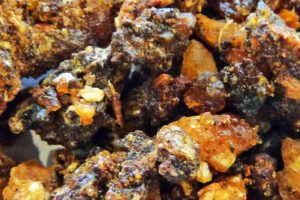
Opopanax Resin (Sweet Myrrh)
Opopanax Resin (Sweet Myrrh) Opopanax Resin (Sweet Myrrh) is an aromatic resin with a sweet, balsamic fragrance. It is derived from the Commiphora species, primarily
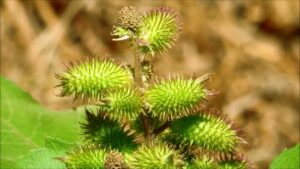
Xanthium
Xanthium Xanthium, commonly known as Cocklebur, is a herbaceous plant known for its spiky, bur-like seeds. It is a member of the Asteraceae family and
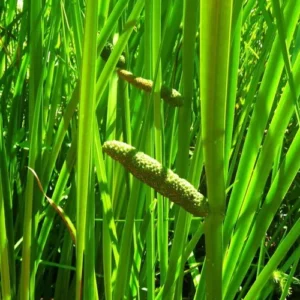
Calamus Root
Calamus Root Calamus Root, derived from the rhizome of Acorus calamus, is a well-known herb in traditional medicine and spiritual practices. Known for its aromatic