Turmeric and Cancer: The Role of Curcumin in Fighting Disease

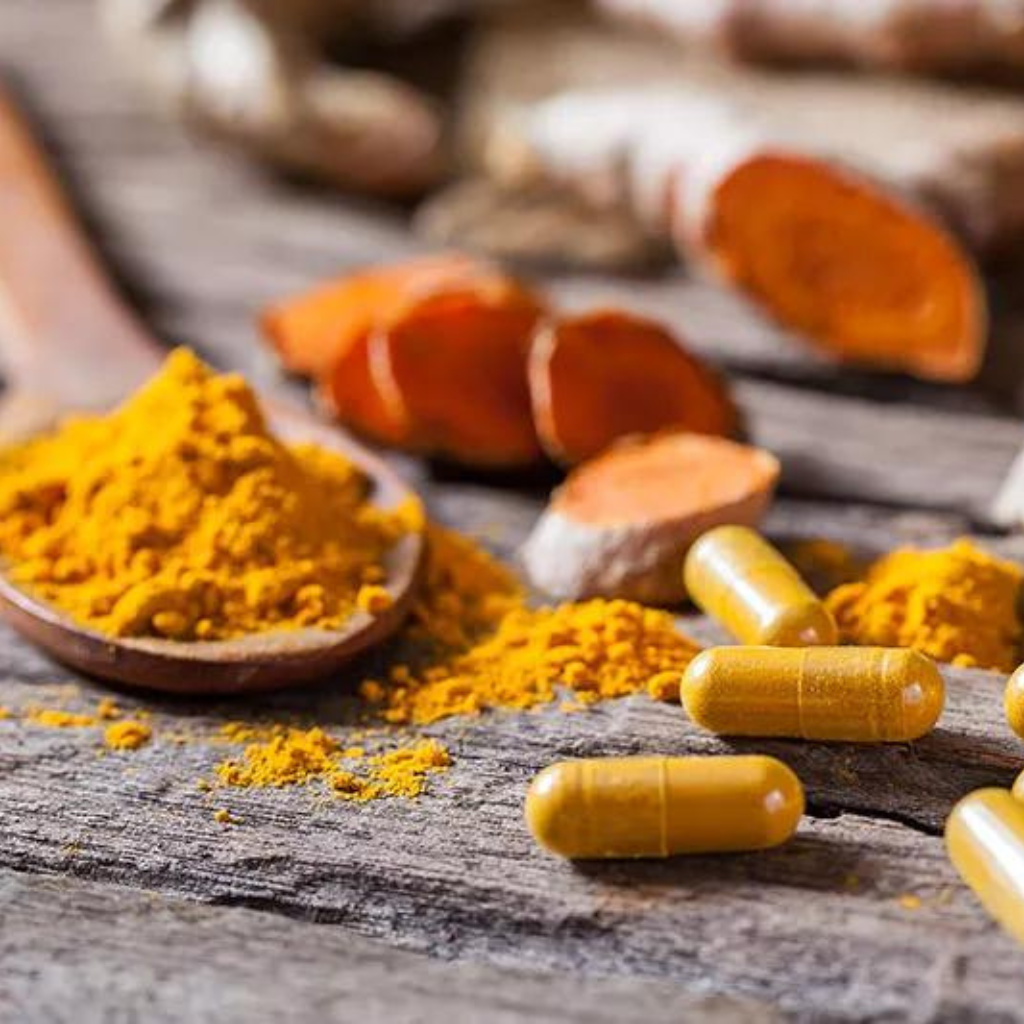
Turmeric, a vibrant yellow spice, has been celebrated for centuries for its medicinal properties, particularly due to its active compound, curcumin. This powerful polyphenol has gained significant attention in recent years for its potential role in cancer prevention and treatment. Curcumin’s multifaceted ability to target various molecular pathways involved in cancer cell growth positions it as a key subject of ongoing research. Here’s a detailed look at the latest findings regarding curcumin’s anti-cancer properties and the advancements in its supplementation.

Curcumin’s Anti-Cancer Potential:

A pivotal study published in Cancer Research investigated the effects of curcumin on breast and colon cancer cells. The research revealed that curcumin effectively inhibited cell proliferation and induced apoptosis, or programmed cell death, in malignant cells. This anti-cancer activity is believed to arise from curcumin’s capacity to disrupt several key signaling pathways that are crucial for cancer cell survival and growth, such as the NF-kB, STAT3, and Wnt/β-catenin pathways.

Moreover, curcumin has shown promise in reducing inflammation, a significant contributor to cancer development. By modulating inflammatory cytokines and enzymes, curcumin may help create a less favorable environment for cancer cells. Despite these promising findings, researchers caution that curcumin is poorly absorbed when consumed in dietary amounts, making it challenging to attain therapeutic effects without the aid of specialized formulations or supplements.

Advances in Supplement Formulations

In response to the challenges of curcumin bioavailability, supplement manufacturers have invested in developing advanced formulations designed to enhance its absorption. One of the most common strategies involves the addition of piperine, an active compound found in black pepper, which has been shown to increase curcumin absorption significantly. Some supplements also utilize nanoparticles or liposomal delivery systems to improve bioavailability further.

As interest in curcumin continues to rise, medical experts emphasize that it should be viewed as a complementary treatment option within an integrative cancer care framework. Curcumin is not intended to replace conventional cancer therapies but rather to enhance their efficacy. Ongoing clinical trials are critically evaluating the optimal dosages and formulations of curcumin for cancer treatment, seeking to establish guidelines that could pave the way for its integration into standard therapeutic regimens.

Leave a Reply

Xanthium

Xanthium

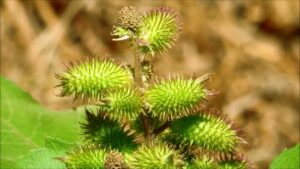
Xanthium Xanthium, commonly known as Cocklebur, is a herbaceous plant known for its spiky, bur-like seeds. It is a member of the Asteraceae family and
Juniper Berries

Juniper Berries

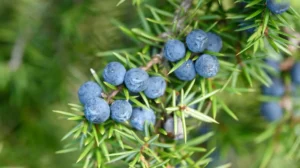
Juniper Berries Juniper Berries are small, spherical fruits from the juniper tree (Juniperus communis). They are widely recognized for their distinct aroma and flavor, often

Spiritual Renewal Bath

Spiritual Renewal Bath

Spiritual Renewal Bath A rejuvenating bath to refresh your energy and revitalize your spirit, this blend is perfect for times when you feel spiritually stagnant
Ginseng Panax

Ginseng Panax

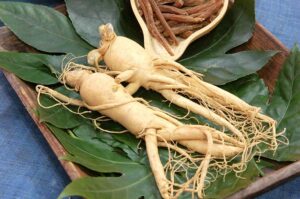
Ginseng Panax Panax Ginseng, also known as Asian Ginseng or Korean Ginseng, is a perennial plant native to East Asia. The root is the most
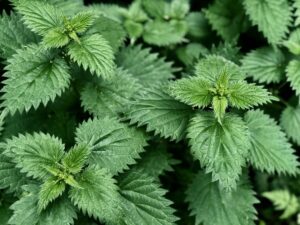
Nettle Leaf

Nettle Leaf

Nettle Leaf Nettle Leaf is a versatile herb known for its numerous health benefits and uses in traditional medicine. It is often used for its
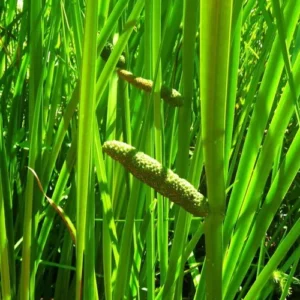
Calamus Root

Calamus Root

Calamus Root Calamus Root, derived from the rhizome of Acorus calamus, is a well-known herb in traditional medicine and spiritual practices. Known for its aromatic