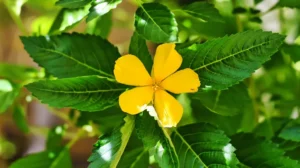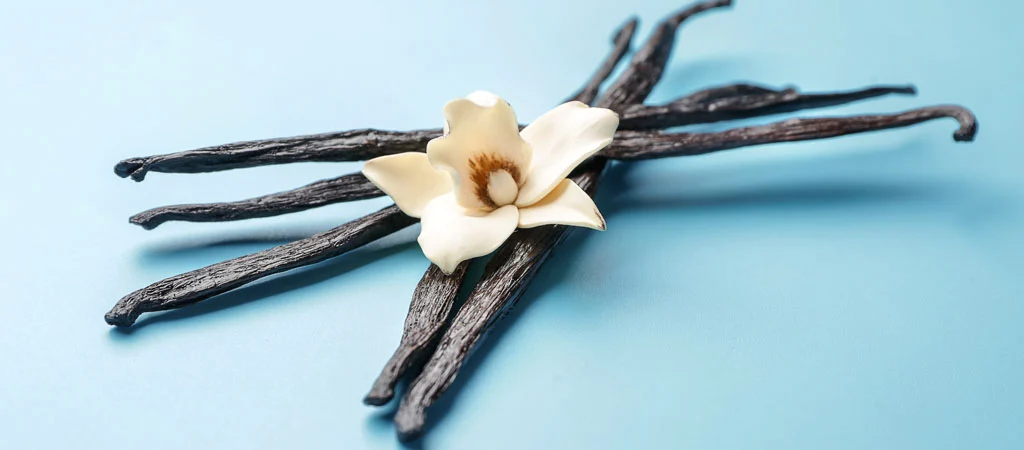
Vanilla Bean is the fruit of the tropical orchid Vanilla planifolia, native to Mexico and now cultivated in various tropical regions around the world. The bean is long, slender, and dark brown, filled with tiny seeds that give vanilla its characteristic aroma and flavor. Vanilla is one of the most popular and expensive spices globally, prized for its rich, sweet fragrance and versatility in culinary applications.
1. Size:
2. Color:
3. Texture:
4. Fragrance:
5. Uses:
Vanilla beans are widely used in baking, cooking, and confectionery. The seeds and the pod can be used to infuse a rich vanilla flavor into desserts, such as cakes, custards, ice creams, and sauces.
Vanilla extract, made by soaking vanilla beans in alcohol, is a common flavoring in a wide variety of sweet and savory dishes. It is often used to enhance the flavor of chocolate, coffee, and fruit-based desserts.
Vanilla’s soothing scent is used in aromatherapy to promote relaxation, reduce stress, and create a comforting atmosphere.
Vanilla is a popular ingredient in cosmetics and perfumes, valued for its sweet and warm fragrance. It is often used in lotions, body sprays, and other skincare products.
6. Habitat:
7. Cultural and Spiritual Significance:
Vanilla has a long history of use among the indigenous peoples of Mexico, where it was originally cultivated by the Totonac people. It was later adopted by the Aztecs, who used it to flavor their chocolate drinks.
Due to its labor-intensive cultivation and processing, vanilla has been considered a symbol of luxury and opulence for centuries. It was once a rare and expensive spice reserved for royalty and the wealthy.
Love and Attraction: Vanilla is believed to have properties that promote love and attraction. Its sweet scent is said to evoke feelings of warmth and comfort, making it a popular ingredient in love spells and rituals.
Happiness and Relaxation: Vanilla’s soothing aroma is thought to promote happiness and relaxation, helping to calm the mind and uplift the spirit.
Antioxidant: Vanilla contains compounds with antioxidant properties, which help protect the body against oxidative stress and free radical damage.
Digestive Aid: Vanilla is sometimes used in herbal remedies to soothe digestive issues, such as indigestion and stomach cramps. Its pleasant flavor also makes it a popular addition to medicinal teas and tinctures.
Aphrodisiac: Vanilla is believed to have mild aphrodisiac properties, enhancing mood and promoting feelings of well-being.
Vanilla Bean (Vanilla planifolia) is considered safe for most people when used in typical culinary amounts. However, some individuals might experience allergic reactions to vanilla or its extract, especially when used in high concentrations or applied directly to the skin.
Contact Dermatitis: Some individuals may experience contact dermatitis when handling vanilla beans or using products containing high concentrations of vanilla extract. Symptoms may include skin irritation, redness, and itching.
Respiratory Sensitivity: Inhalation of vanilla dust or strong vanilla fumes may cause respiratory irritation in sensitive individuals, potentially leading to symptoms like coughing, sneezing, or shortness of breath.
Gastrointestinal Upset: Consuming large amounts of vanilla or vanilla extract may cause nausea, vomiting, or stomach discomfort. It is recommended to use vanilla in moderation.
Headache: Some individuals may experience headaches after consuming or being exposed to strong vanilla scents, especially in concentrated forms like extracts or perfumes.

Chamomile Flowers Chamomile Flowers are small, daisy-like blossoms known for their soothing and calming properties. These flowers have been used for centuries in herbal medicine,

Echinacea and its Evolving Role in Cold Treatment Echinacea, a vibrant purple coneflower, has a rich history in traditional medicine, particularly valued for its immune-boosting

Quassia Quassia is a tropical shrub or small tree, scientifically known as Quassia amara, commonly found in the rainforests of Central and South America. It

Calamus Root Calamus Root, derived from the rhizome of Acorus calamus, is a well-known herb in traditional medicine and spiritual practices. Known for its aromatic

Lychee Berries Lychee Berries are tropical fruits known for their sweet flavor and distinctive appearance. They are highly valued in culinary applications and traditional medicine

Usnea Usnea, commonly known as Old Man's Beard or Beard Lichen, is a type of lichen that grows on trees, appearing as wispy, pale green,