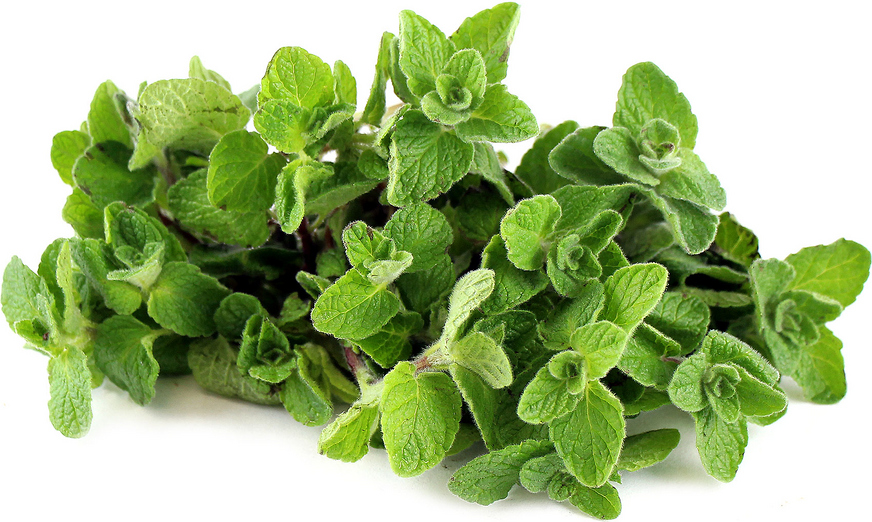
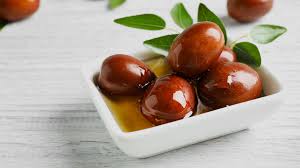
Za’atar is both the name of a Middle Eastern herb and a spice blend made from that herb, mixed with other ingredients like sumac, sesame seeds, and salt. The herb itself belongs to the oregano family and is known for its robust, earthy flavor. When blended with other spices, Za’atar becomes a versatile seasoning used to enhance the flavor of various dishes, from meats and vegetables to breads and dips. The blend is a staple in Middle Eastern cuisine, treasured for its unique combination of tangy, nutty, and savory notes.
1. Size:
2. Color:
3. Texture:
4. Fragrance:
5. Uses:
Za’atar is a versatile seasoning used extensively in Middle Eastern cuisine. It is commonly sprinkled over flatbreads like Manakeesh, mixed with olive oil as a dip, or used as a seasoning for meats, vegetables, and salads. Za’atar can also be mixed into doughs or used as a rub for roasted or grilled dishes.
In some cultures, the herbs in Za’atar, particularly thyme, are brewed into a tea that is believed to have digestive benefits and a calming effect.
The antioxidant properties of some of the herbs in Za’atar, such as thyme and oregano, make it a natural preservative, helping to extend the shelf life of foods it is mixed with.
6. Habitat:
7. Cultural and Spiritual Significance:
Za’atar has been used in Middle Eastern cuisine for centuries, often passed down through generations as a family recipe. It is not just a spice blend but a symbol of hospitality and tradition. In some cultures, it is believed that eating Za’atar sharpens the mind and strengthens the body.
In many parts of the Middle East, Za’atar is more than just a spice—it is a cultural identifier. The blend varies from region to region, with each community having its unique version that reflects its history and tastes.
Protection and Cleansing: The herbs in Za’atar, especially thyme, have long been associated with protection and spiritual cleansing. Thyme was often burned as an incense to purify spaces and ward off negative energy.
Enhancement of Mental Clarity: In traditional beliefs, consuming Za’atar was thought to enhance mental clarity and focus, making it a favored food for scholars and those engaged in intellectual pursuits.
Antioxidant: Za’atar is rich in antioxidants, particularly due to the thyme and oregano in the blend. These antioxidants help to protect the body from oxidative stress and may have anti-aging effects.
Digestive Aid: The herbs in Za’atar, especially thyme, are known for their digestive properties. Consuming Za’atar may help relieve indigestion, bloating, and gas.
Anti-Inflammatory: The components of Za’atar have anti-inflammatory properties that can help reduce inflammation in the body. This makes it beneficial for those with conditions like arthritis or other inflammatory disorders.
Za’atar is generally safe for consumption. However, individuals with specific allergies to any of the herbs in the mix (such as oregano, thyme, or sesame) should exercise caution.
Sesame Allergy: Individuals with a sesame allergy should avoid Za’atar, as the blend commonly contains sesame seeds, which can trigger allergic reactions such as hives, swelling, or difficulty breathing.
Herb Sensitivity: Some people may be sensitive to the herbs in Za’atar, particularly oregano and thyme. This sensitivity can manifest as skin irritation, especially if handling the fresh herbs, or gastrointestinal discomfort if consumed in large quantities.
Stomach Upset: While generally safe, consuming large amounts of Za’atar could potentially lead to stomach upset, including nausea or diarrhea, especially in individuals with sensitive stomachs.
Blood Pressure Effects: Some components in Za’atar, particularly thyme, may have a mild effect on blood pressure. Those on blood pressure medication should use Za’atar in moderation and consult with a healthcare provider if concerned.

Jojoba Jojoba (Simmondsia chinensis) is a perennial shrub native to the arid regions of the southwestern United States and northern Mexico. The plant is best
Jiaogulan Jiaogulan, often referred to as "Southern Ginseng" or "Herb of Immortality," is a climbing vine native to Southern China and other parts of Asia.
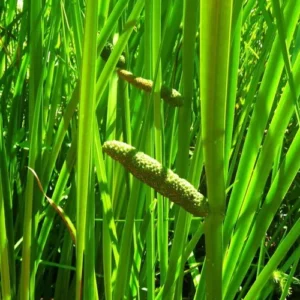
Calamus Root Calamus Root, derived from the rhizome of Acorus calamus, is a well-known herb in traditional medicine and spiritual practices. Known for its aromatic
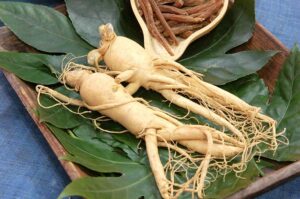
Ginseng Panax Panax Ginseng, also known as Asian Ginseng or Korean Ginseng, is a perennial plant native to East Asia. The root is the most
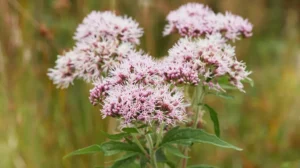
Valerian Root Valerian Root, derived from the Valeriana officinalis plant, is a well-known herb used for its calming and sedative properties. It is commonly utilized

Echinacea Purpurea Leaf Echinacea Purpurea Leaf is a well-known herb valued for its immune-boosting properties and use in traditional medicine. It is commonly used to