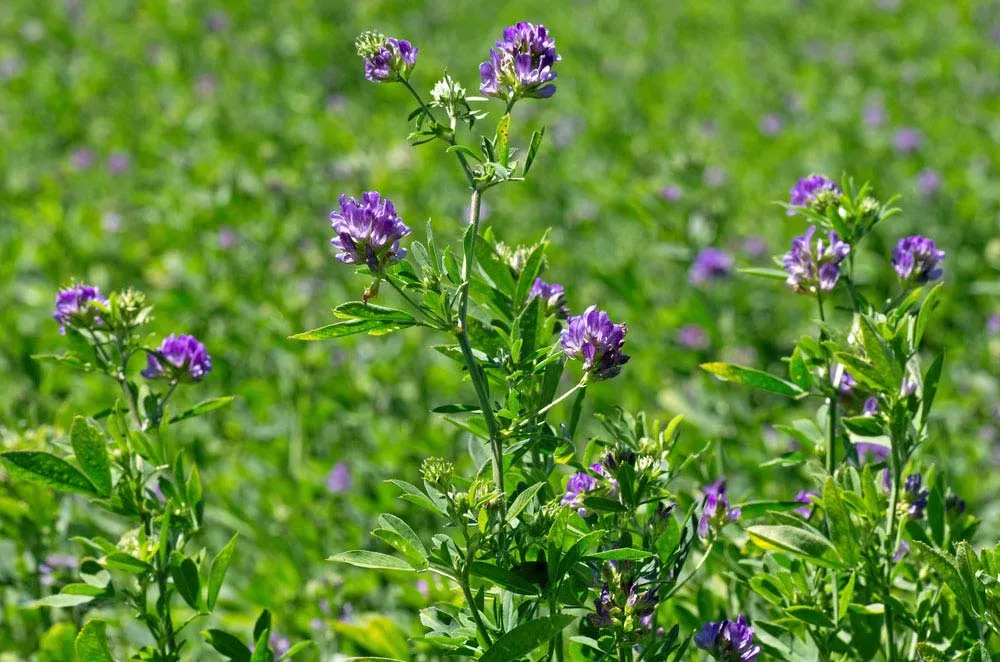
Alfalfa is a perennial flowering plant from the legume family, known for its high nutrient content. It is widely cultivated as a forage crop for livestock, but its leaves are also harvested for human consumption due to their rich nutritional profile. Alfalfa is often used in herbal medicine, teas, and as a dietary supplement.
1. Size:
2. Color:
3. Texture:
4. Fragrance:
5. Uses:
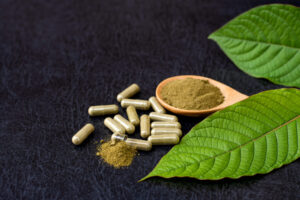
Alfalfa leaves are rich in vitamins A, C, E, and K, as well as minerals like calcium, potassium, iron, and magnesium. They are often used in powdered form as a dietary supplement to enhance overall nutrition.
Alfalfa is commonly used in herbal medicine to help with conditions such as arthritis, high cholesterol, and digestive issues. It is believed to have anti-inflammatory and diuretic properties.
Alfalfa is known to promote healthy digestion due to its high fiber content. It can help alleviate symptoms of indigestion and is often used as a gentle laxative.
Alfalfa contains phytoestrogens, which are plant compounds that mimic estrogen. This makes it useful for women experiencing menopause or menstrual irregularities.
6. Habitat:
7. Cultural and Spiritual Significance:
In some cultures, Alfalfa is considered a symbol of prosperity and good fortune. It is often used in rituals and spells to attract wealth and abundance.
Alfalfa has been used for centuries in traditional medicine practices, particularly in Chinese and Ayurvedic medicine. It is believed to promote overall health and vitality.
Healing and Protection: Alfalfa is often associated with healing and protection in spiritual practices. It is believed to ward off negativity and protect against harmful influences.
Prosperity and Abundance: Alfalfa is commonly used in rituals to attract prosperity, abundance, and good luck. It is often included in charm bags or sprinkled around the home for these purposes.
Anti-Inflammatory: Alfalfa has natural anti-inflammatory properties, making it useful in the treatment of conditions like arthritis and joint pain.
Diuretic: The plant is also known for its diuretic effects, which can help reduce water retention and support kidney health.
Antioxidant: Alfalfa is rich in antioxidants, which help protect the body against free radicals and oxidative stress, potentially reducing the risk of chronic diseases.
Alfalfa (Medicago sativa) is generally considered safe for consumption. However, consuming large quantities or using it over a long period may lead to some adverse effects, especially in individuals with certain health conditions, such as autoimmune diseases.
Skin Irritation: Some individuals may experience mild skin irritation or allergic reactions when handling or consuming Alfalfa, especially if they have sensitive skin or are allergic to legumes.
Respiratory Discomfort: Inhaling Alfalfa powder or dust can cause respiratory discomfort, including coughing or wheezing, particularly in individuals with asthma or other respiratory conditions.
Autoimmune Concerns: Alfalfa contains an amino acid called L-canavanine, which can exacerbate symptoms in individuals with autoimmune conditions, such as lupus. It is advisable for people with autoimmune diseases to avoid or limit their consumption of Alfalfa.
Digestive Issues: While Alfalfa is generally beneficial for digestion, consuming large amounts may cause digestive discomfort, including bloating, gas, or diarrhea, especially in those not accustomed to high-fiber foods.

Balm of Gilead Balm of Gilead is derived from the resinous buds of the Populus species, particularly Populus candicans or Populus balsamifera. This aromatic substance

Herbal Smoking Blend Herbal Smoking Blends are a mixture of various herbs, flowers, and botanicals that are combined to create a smokeable product as an

Jiaogulan Jiaogulan, often referred to as "Southern Ginseng" or "Herb of Immortality," is a climbing vine native to Southern China and other parts of Asia.

Jojoba Jojoba (Simmondsia chinensis) is a perennial shrub native to the arid regions of the southwestern United States and northern Mexico. The plant is best

za'atar Za'atar is both the name of a Middle Eastern herb and a spice blend made from that herb, mixed with other ingredients like sumac,

Himalayan Pink Salt Himalayan pink salt is renowned for its distinct and attractive appearance. Typically found in large crystals or fine granules, it displays a