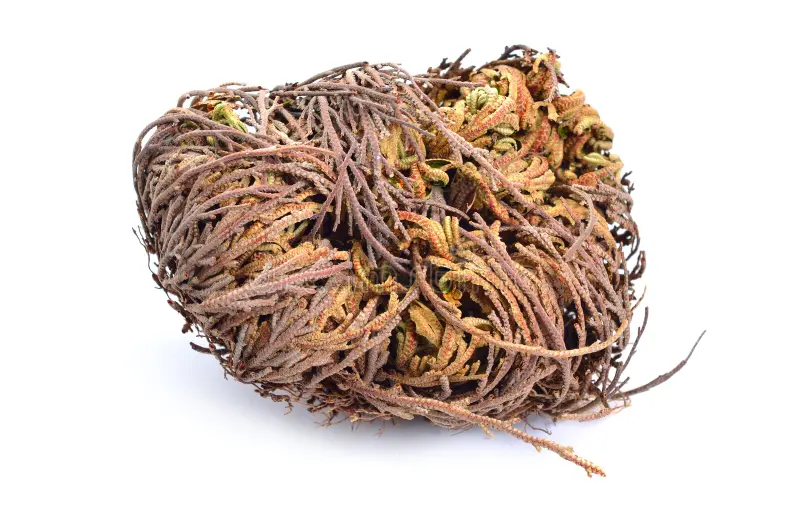

Jericho, also known as Rose of Jericho or Anastatica hierochuntica, is a fascinating plant known for its remarkable resurrection abilities and distinctive appearance. This plant is native to arid regions and has been valued for both its unique characteristics and its role in various traditional practices.
Size:
Jericho plants are typically small, ranging from 4 to 8 inches (10 to 20 cm) in diameter when fully expanded. When dry, they can shrink to a compact, dormant form.
Color:
The plant exhibits a range of colors from green when hydrated to brown and shriveled when dry. The change in color is due to the plant’s ability to enter a dormant state during dry periods.
Leaves:
Jericho has small, feathery, and curled leaves that appear green and lush when the plant is hydrated. These leaves dry up and curl inward when the plant enters dormancy.
Flowers:
Jericho is not primarily known for its flowers, as it is more recognized for its unique foliage and resurrection properties. However, it may produce small, inconspicuous flowers when conditions are favorable.
Fragrance:
The plant itself does not have a significant fragrance. Its appeal lies in its visual characteristics and unique lifecycle rather than in any aromatic qualities.
Blooming Season:
Jericho does not have a traditional blooming season like many other plants. It primarily thrives during periods of hydration and becomes dormant during dry conditions.
Habitat:
Jericho is native to desert regions, including parts of the Middle East and North Africa. It thrives in arid, sandy soils with infrequent rainfall, showcasing its ability to survive extreme conditions.
Cultural Significance:
Jericho is often associated with resurrection and renewal due to its ability to revive from a dry, dormant state. In various cultures, it symbolizes resilience, hope, and the promise of new beginnings. It is used in traditional rituals and as a decorative plant in spiritual practices.

Echinacea Purpurea Leaf Echinacea Purpurea Leaf is a well-known herb valued for its immune-boosting properties and use in traditional medicine. It is commonly used to
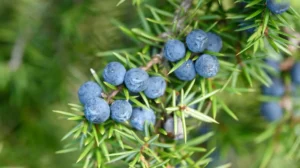
Juniper Berries Juniper Berries are small, spherical fruits from the juniper tree (Juniperus communis). They are widely recognized for their distinct aroma and flavor, often
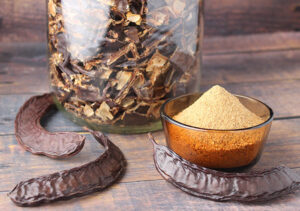
Raw Carob Powder Raw Carob Powder is derived from the dried pods of the carob tree (Ceratonia siliqua). The pods are ground into a fine,
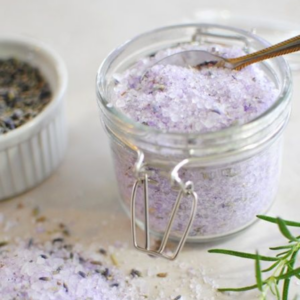
Rosemary & Lavender Healing Bath This healing bath is designed to cleanse both the body and spirit. Rosemary and lavender combine to promote relaxation, relieve

Echinacea and its Evolving Role in Cold Treatment Echinacea, a vibrant purple coneflower, has a rich history in traditional medicine, particularly valued for its immune-boosting
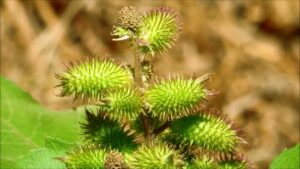
Xanthium Xanthium, commonly known as Cocklebur, is a herbaceous plant known for its spiky, bur-like seeds. It is a member of the Asteraceae family and