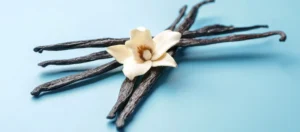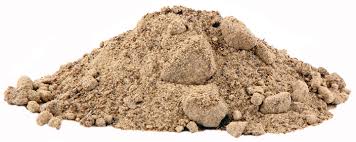

Benzoin Gum Powder is derived from the resin of the Styrax benzoin tree, known for its sweet, balsamic aroma. The resin is harvested, dried, and then ground into a fine powder. It is used in various applications, including incense, perfumes, and traditional remedies. The powder has a rich, warm, and vanilla-like fragrance that makes it popular in aromatic and therapeutic uses.
1. Size:
2. Color:
3. Texture:
4. Fragrance:
5. Uses:
Benzoin Gum Powder is used in aromatherapy for its calming and grounding properties. It is often burned as incense or used in essential oil blends to create a soothing atmosphere.
The powder is a common ingredient in perfumes and fragrances due to its sweet, vanilla-like scent. It is used to enhance and fix other fragrance notes.
In traditional medicine, Benzoin Gum Powder is used for its antimicrobial and soothing properties. It is sometimes used in poultices or infusions to treat skin irritations or respiratory conditions.
Benzoin Gum Powder is often burned as incense for its pleasant aroma and its believed properties to purify and cleanse spaces. It is used in various religious and spiritual ceremonies.
6. Habitat:
7. Cultural and Spiritual Significance:
Benzoin has been used since ancient times in various cultures for its aromatic and medicinal properties. It was valued in ancient Egypt for its use in incense and as a preservative.
In many cultures, Benzoin is associated with purification and protection. It is used in rituals and ceremonies to cleanse spaces and promote spiritual well-being.
Purification: Benzoin is believed to have strong purifying properties. It is used in spiritual practices to cleanse spaces, objects, or individuals from negative energies and influences.
Grounding: The resin is considered to have grounding effects, helping to create a stable and calm environment. It is used in meditation and spiritual rituals to enhance focus and mental clarity.
Antimicrobial: Benzoin Gum Powder has natural antimicrobial properties that can help inhibit the growth of bacteria and fungi. It is sometimes used in traditional remedies for its antiseptic effects.
Soothing: The powder is used in traditional medicine for its soothing properties, particularly for skin irritations and respiratory conditions. It is believed to help alleviate discomfort and promote healing.
Expectorant: Benzoin has been traditionally used as an expectorant to help relieve coughs and respiratory congestion. It is believed to aid in clearing mucus from the respiratory tract.
Benzoin Gum Powder is generally considered safe for use in small quantities. However, it should be used with caution, especially in individuals with allergies or sensitivities. Prolonged inhalation or excessive use might cause respiratory or skin irritation.
Skin Irritation: Some individuals may experience skin irritation, redness, or rash when handling or using Benzoin Gum Powder. It is recommended to perform a patch test before extensive use.
Respiratory Discomfort: Inhalation of Benzoin Gum Powder, especially in large quantities, may cause respiratory irritation or discomfort. Individuals with asthma or respiratory conditions should use it with caution.
Allergic Reactions: Prolonged or excessive use of Benzoin Gum Powder might lead to allergic reactions such as dermatitis or respiratory symptoms. If any adverse effects occur, discontinue use and consult a healthcare provider.
Sensory Irritation: Direct contact with the powder or inhalation of its fumes can sometimes cause sensory irritation, including eye discomfort or nasal irritation. It is important to use it in well-ventilated areas.

Rosemary & Lavender Healing Bath This healing bath is designed to cleanse both the body and spirit. Rosemary and lavender combine to promote relaxation, relieve

Healing Herbal Pesto This healing herbal pesto is packed with both flavor and spiritual healing properties. It’s a versatile sauce that can be used on

Ivy Ivy (Hedera helix), also known as English Ivy, is a common evergreen climbing plant known for its distinctive lobed leaves and ability to cover

Dandelion Root Dandelion Root, derived from the Taraxacum officinale plant, is a well-known herb in traditional medicine and herbal remedies. While often regarded as a

Isatis Isatis, commonly known as Woad (Isatis tinctoria), is a biennial herb that has been historically significant due to its use as a dye plant.

Frankincense Powder Frankincense Powder, derived from the resin of the Boswellia tree, is a revered substance with a long history of use in spiritual, medicinal,