
Ginseng Panax

Panax Ginseng, also known as Asian Ginseng or Korean Ginseng, is a perennial plant native to East Asia. The root is the most valued part of the plant and is used for its medicinal properties. It has a long history of use in traditional medicine to enhance physical and mental performance, support overall health, and combat fatigue.

1. Size:

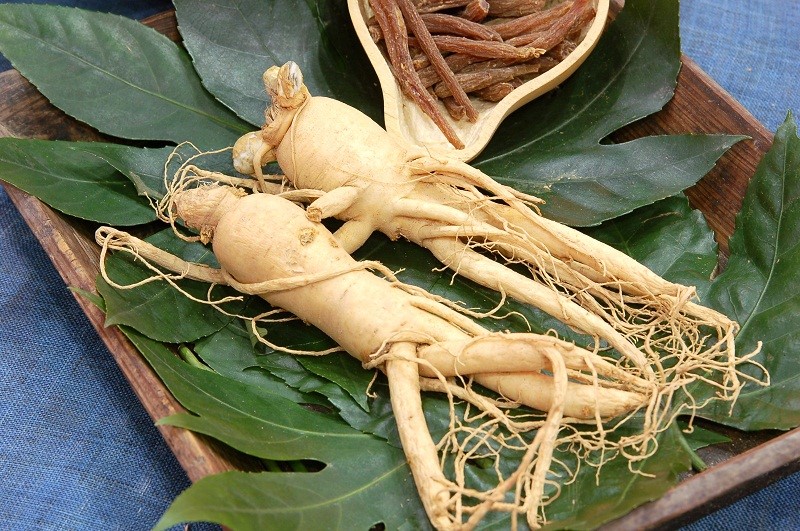
  • The Panax Ginseng plant grows to a height of about 12 to 24 inches (30 to 60 cm). The roots can vary in size but are typically harvested after several years of growth, ranging from 4 to 12 inches (10 to 30 cm) in length.

2. Color:

  • The root of Panax Ginseng is usually beige to light brown. It has a somewhat knobby, irregular shape that resembles a human figure, which is why it is often referred to as “man-root” in traditional contexts.

3. Texture:

  • The root has a firm, fibrous texture with a rough surface. When dried, it becomes harder and more brittle. The powdered form is fine and can be used in supplements and herbal preparations.

4. Fragrance:

  • Panax Ginseng has a distinctive, earthy aroma with a slightly sweet and spicy undertone. The fragrance is subtle but noticeable, especially in its raw or powdered form.

5. Uses:

  • Panax Ginseng is commonly taken in supplement form, including capsules, tablets, or extracts. It is used to boost energy levels, enhance cognitive function, and support overall well-being.

  • In traditional medicine, Panax Ginseng is used to improve vitality, reduce fatigue, and enhance immune function. It is often included in herbal formulas for stress relief and overall health maintenance.

  • The root can be used in cooking, especially in traditional Asian cuisines. It is sometimes added to soups, teas, and stews for its purported health benefits.

  • Panax Ginseng extract is also used in skincare products for its potential anti-aging and revitalizing effects.

6. Habitat:

  • Panax Ginseng is native to the forests of East Asia, including China, Korea, and parts of Russia. It grows in shady, moist environments and prefers well-drained, rich soil. It is typically cultivated in cool, temperate climates.

7. Cultural and Spiritual Significance:

  • Panax Ginseng has been used in traditional Chinese medicine for over 2,000 years. It is highly regarded for its adaptogenic properties and is considered a symbol of vitality and longevity.

  • In many Asian cultures, Panax Ginseng is associated with strength, endurance, and health. It is often used in rituals and traditional practices to promote well-being and longevity.

Spiritual Properties

  • Vitality and Longevity: Panax Ginseng is believed to enhance vitality and promote a longer, healthier life. It is used in spiritual practices to support physical and mental resilience.

  • Mental Clarity: The herb is thought to improve mental clarity and focus, making it useful in meditation and spiritual practices for maintaining concentration and cognitive function.

Medicinal Properties

  • Adaptogen: Panax Ginseng is classified as an adaptogen, meaning it helps the body adapt to stress and restore balance. It is used to reduce fatigue and improve overall resilience.

  • Cognitive Function: Studies suggest that Panax Ginseng may enhance cognitive function, improve memory, and support mental performance.

  • Immune Support: The herb is known for its immune-boosting properties, helping to strengthen the body’s defenses against infections and illnesses.

  • Energy Boost: Panax Ginseng is often used to combat fatigue and increase energy levels, making it a popular choice for those experiencing chronic tiredness or low stamina.

Allergic Reactions

Panax Ginseng is generally considered safe for use when taken in appropriate doses. However, excessive use or high doses may lead to side effects or interactions with medications. Consult a healthcare provider before starting any new supplement regimen, especially if you have underlying health conditions or are taking other medications.

  • Skin Irritation: Some individuals may experience skin irritation, redness, or rash when handling or using Panax Ginseng. It is advisable to perform a patch test before extensive use.

  • Digestive Discomfort: Panax Ginseng may cause digestive issues such as nausea, upset stomach, or diarrhea in some individuals. If symptoms persist, it is recommended to reduce the dosage or discontinue use.

  • Insomnia: High doses of Panax Ginseng may lead to insomnia or disturbed sleep patterns. It is best to take it earlier in the day to avoid affecting sleep.

  • Headaches: Some users may experience headaches or dizziness when using Panax Ginseng, particularly in high doses. If these symptoms occur, reducing the dosage may alleviate discomfort.

Leave a Reply

Lobelia

Lobelia

Lobelia Lobelia is an herb known for its distinctive blue flowers and diverse medicinal properties. It has been used in traditional medicine for its respiratory

Linden Leaf & Flowers

Linden Leaf & Flowers

Linden Leaf & Flowers Linden Leaf and Flowers are known for their soothing properties and delicate aroma. This herb is used in both traditional medicine

Isatis

Isatis

Isatis Isatis, commonly known as Woad (Isatis tinctoria), is a biennial herb that has been historically significant due to its use as a dye plant.

Juniper Berries

Juniper Berries

Juniper Berries Juniper Berries are small, spherical fruits from the juniper tree (Juniperus communis). They are widely recognized for their distinct aroma and flavor, often

Lemon Verbena

Lemon Verbena

Lemon Verbena Lemon Verbena is a perennial herb known for its intensely lemon-scented leaves and slender, graceful growth. It is cherished in both culinary and

Jiaogulan

Jiaogulan

Jiaogulan Jiaogulan, often referred to as "Southern Ginseng" or "Herb of Immortality," is a climbing vine native to Southern China and other parts of Asia.