
Echinacea and its Evolving Role in Cold Treatment

Echinacea, a vibrant purple coneflower, has a rich history in traditional medicine, particularly valued for its immune-boosting properties. Used extensively to combat respiratory ailments, especially colds, this herb has garnered renewed interest in recent years. As ongoing research sheds light on its efficacy, a more nuanced understanding of Echinacea’s role in cold treatment is emerging. Here’s a detailed exploration of recent findings and the evolving perceptions surrounding this popular herb.

Echinacea in Immune Support:

A recent study by the National Center for Complementary and Integrative Health investigated the impact of Echinacea on 300 adults who were prone to respiratory infections. The results indicated that daily supplementation with Echinacea could reduce the duration of cold symptoms by approximately 1.4 days. While this finding suggests that Echinacea may offer some relief to those suffering from colds, the study’s authors noted significant variability in the dosages and types of Echinacea extracts used across different research efforts. This inconsistency complicates the ability to draw firm conclusions about Echinacea’s full potential and effectiveness.

The research highlights that while Echinacea can play a supportive role in alleviating cold symptoms, it should be used as a complementary treatment rather than a replacement for standard medical therapies. Health experts recommend that individuals consider Echinacea as part of a broader strategy for immune support, which includes maintaining a healthy lifestyle, managing stress, and following medical guidance for treating respiratory infections.

Consumer Confidence and Trends

Echinacea continues to be one of the most sought-after herbal remedies in both Europe and the United States, particularly during flu season. Its widespread availability in various forms—supplements, teas, tinctures—reflects its popularity among consumers seeking natural health solutions. However, as awareness of herbal medicine grows, so does the demand for transparency regarding product quality and efficacy.

Consumers are increasingly educated about the potential benefits and limitations of herbal remedies, which has led to a call for better quality control measures and comprehensive research on Echinacea’s effectiveness across various health conditions. While Echinacea’s longstanding use lends it a level of credibility, both consumers and healthcare professionals are advocating for rigorous scientific evaluation to establish clearer guidelines for its use in cold treatment and immune support.

Leave a Reply

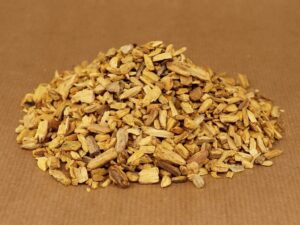
Palo Santo Chips

Palo Santo Chips

Palo Santo Chips Palo Santo, also known as "Holy Wood," is a sacred wood revered for its aromatic properties and spiritual significance. It is commonly
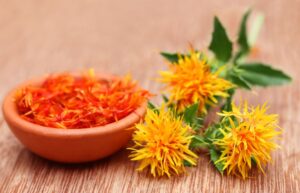
Safflower

Safflower

Safflower Safflower is a vibrant herb known for its bright yellow, orange, or red flowers, which are harvested for their seeds and petals. The plant
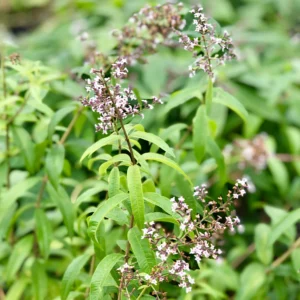
Lemon Verbena

Lemon Verbena

Lemon Verbena Lemon Verbena is a perennial herb known for its intensely lemon-scented leaves and slender, graceful growth. It is cherished in both culinary and
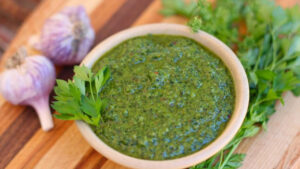
Healing Herbal Pesto

Healing Herbal Pesto

Healing Herbal Pesto This healing herbal pesto is packed with both flavor and spiritual healing properties. It’s a versatile sauce that can be used on
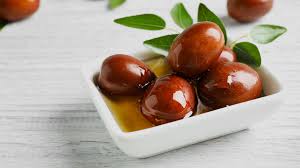
Jojoba

Jojoba

Jojoba Jojoba (Simmondsia chinensis) is a perennial shrub native to the arid regions of the southwestern United States and northern Mexico. The plant is best
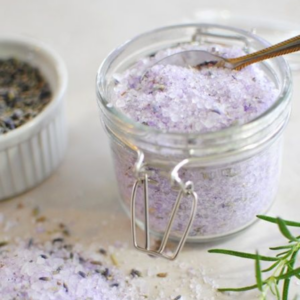
Rosemary & Lavender Healing Bath

Rosemary & Lavender Healing Bath

Rosemary & Lavender Healing Bath This healing bath is designed to cleanse both the body and spirit. Rosemary and lavender combine to promote relaxation, relieve