Lobelia

Lobelia is an herb known for its distinctive blue flowers and diverse medicinal properties. It has been used in traditional medicine for its respiratory and digestive benefits. Lobelia is valued for its effectiveness in treating a range of health issues and is also appreciated for its striking appearance.

1. Size:

  • Lobelia typically grows to a height of 6 to 12 inches (15 to 30 cm), depending on the species and growing conditions.
  • The plant has a bushy, compact form with dense clusters of flowers and foliage.

2. Color:

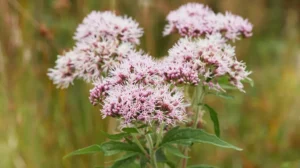
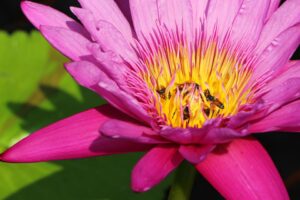
  • The flowers are vibrant blue to purple, creating a striking visual impact.
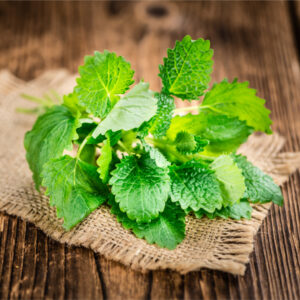
  • The leaves are green, with a slightly rough texture and can range from light to dark green.

3. Texture:

  • The leaves are narrow and slightly serrated, with a coarse, slightly hairy texture.
  • The flowers are delicate and smooth, adding a soft, ornamental quality to the plant.

4. Fragrance:

  • Lobelia has a mild, somewhat earthy aroma that is less pronounced than its visual appeal.
  • The scent is subtle and not typically used for aromatic purposes.

5. Uses:

  • Lobelia is used in herbal medicine to support respiratory health, including easing symptoms of asthma and bronchitis.
  • It is also used to aid digestion, alleviate nausea, and reduce symptoms of colds and flu.
  • The herb is often included in tinctures and teas for its therapeutic properties.

6. Habitat:

  • Lobelia thrives in well-drained soil with full sun to partial shade. It is commonly found in temperate regions of North America.
  • The plant is often grown in gardens and naturalized areas for its ornamental value and medicinal uses.

7. Cultural Significance:

  • In traditional medicine, Lobelia has been used for its respiratory and digestive benefits. It has historical significance in Native American herbal practices.
  • The herb is also valued for its role in herbal medicine formulations aimed at improving overall health and well-being.

Spiritual Properties

  • Healing and Purification: Lobelia is believed to aid in spiritual healing and purification. It is used in rituals to cleanse and renew both physical and emotional aspects of life.
  • Focus and Clarity: The herb is thought to help enhance mental clarity and focus, making it a supportive tool in meditation and spiritual practices.

Medicinal Properties

  • Respiratory Health: Lobelia is known for its benefits in treating respiratory conditions, including asthma, coughs, and bronchitis. It helps to relax the bronchial muscles and ease breathing.
  • Digestive Aid: The herb is used to support digestive health, alleviate nausea, and relieve symptoms of indigestion.
  • Anti-inflammatory: Lobelia has anti-inflammatory properties that can help reduce inflammation and support overall health.

Adverse Actions & Side Effects

  • Sensitivity Reactions: Some individuals may experience allergic reactions or sensitivities when using Lobelia, especially in high doses or concentrated forms.
  • Interaction with Medications: Lobelia may interact with certain medications, particularly those affecting the respiratory or digestive systems. Consultation with a healthcare provider is recommended.
Side Effects:
  • Nausea and Vomiting: High doses of Lobelia can cause nausea, vomiting, and gastrointestinal discomfort.
  • Dizziness and Headaches: Some individuals may experience dizziness or headaches as a side effect of using Lobelia.
  • Toxicity: Excessive use of Lobelia can lead to toxicity, with symptoms including muscle tremors, convulsions, and increased heart rate. It should be used with caution and under professional supervision.
Papaya Leaf

Papaya Leaf

Papaya Leaf Papaya Leaf (Carica papaya) comes from the tropical fruit tree known for its large, deeply lobed leaves. While the fruit of the papaya

Xylopia

Xylopia

Xylopia Xylopia, also known as Xylopia aethiopica, is a spice derived from the dried fruits of a tree native to West Africa. The tree produces

Juniper Berries

Juniper Berries

Juniper Berries Juniper Berries are small, spherical fruits from the juniper tree (Juniperus communis). They are widely recognized for their distinct aroma and flavor, often

Benzoin Gum Powder

Benzoin Gum Powder

Benzoin Gum Powder Benzoin Gum Powder is derived from the resin of the Styrax benzoin tree, known for its sweet, balsamic aroma. The resin is

Xanthium

Xanthium

Xanthium Xanthium, commonly known as Cocklebur, is a herbaceous plant known for its spiky, bur-like seeds. It is a member of the Asteraceae family and

Jiaogulan

Jiaogulan

Jiaogulan Jiaogulan, often referred to as "Southern Ginseng" or "Herb of Immortality," is a climbing vine native to Southern China and other parts of Asia.