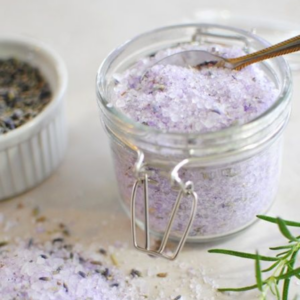
Rosemary & Lavender Healing Bath
Rosemary & Lavender Healing Bath This healing bath is designed to cleanse both the body and spirit. Rosemary and lavender combine to promote relaxation, relieve
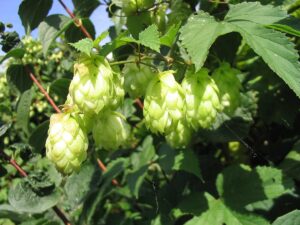
Hops Flowers
Hops Flowers Hops flowers are known for their distinctive appearance, fragrance, and various applications, particularly in brewing and herbal medicine. The cone-shaped flowers, harvested from
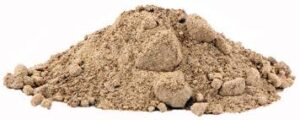
Benzoin Gum Powder
Benzoin Gum Powder Benzoin Gum Powder is derived from the resin of the Styrax benzoin tree, known for its sweet, balsamic aroma. The resin is
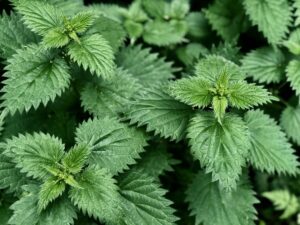
Nettle Leaf
Nettle Leaf Nettle Leaf is a versatile herb known for its numerous health benefits and uses in traditional medicine. It is often used for its
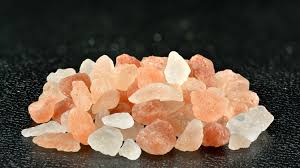
Himalayan Pink Salt
Himalayan Pink Salt Himalayan pink salt is renowned for its distinct and attractive appearance. Typically found in large crystals or fine granules, it displays a
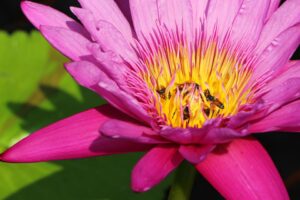
Lotus Stamens
Lotus Stamens Lotus Stamens are the reproductive parts of the lotus flower, known for their delicate structure and unique properties. The lotus is a symbol