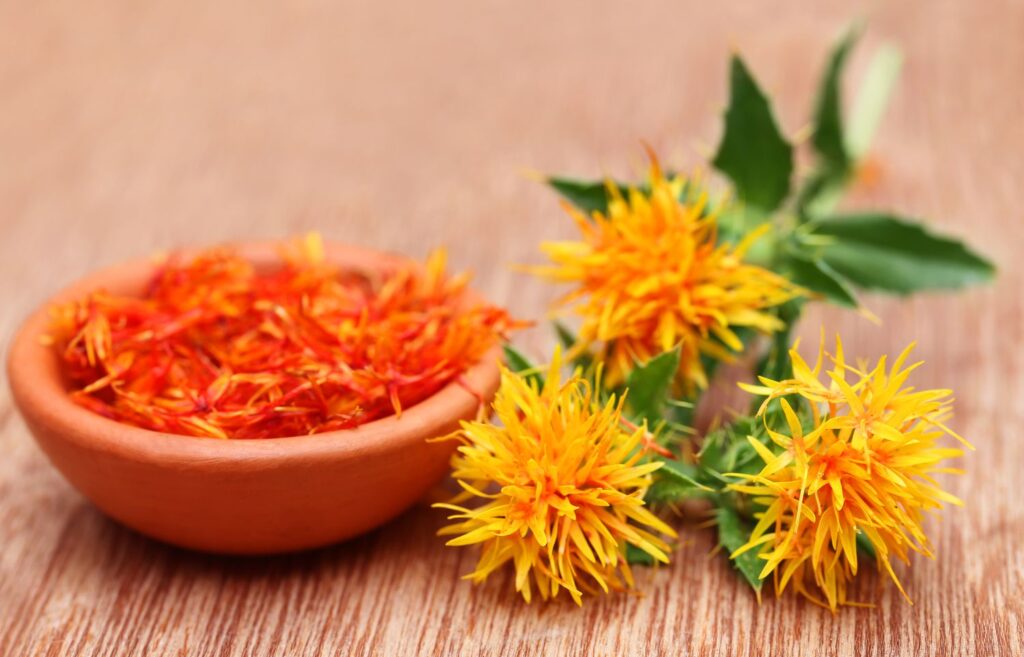
Safflower is a vibrant herb known for its bright yellow, orange, or red flowers, which are harvested for their seeds and petals. The plant is primarily cultivated for its oil-rich seeds, which have various culinary and industrial uses. Safflower has been used for centuries in traditional medicine and as a natural dye. The herb is drought-resistant and thrives in dry climates, making it a valuable crop in arid regions.
1. Size:
Safflower plants typically grow to a height of 1 to 4 feet (30 to 120 cm). The stems are slender and branch out near the top, supporting the colorful flower heads.
2. Color:
The flowers of the Safflower plant range in color from bright yellow to deep orange and red. The seeds are white or light brown, encased in a hard shell.
3. Texture:
The leaves of the Safflower plant are rough and spiny, with a slightly jagged edge. The flowers, when dried, become brittle and papery.
4. Fragrance:
Safflower flowers have a mild, earthy scent, which becomes more pronounced when dried. The oil extracted from the seeds is virtually odorless.
5. Uses:
6. Habitat:
Safflower thrives in dry, arid climates and is often grown in regions with hot summers and low rainfall. It prefers well-drained soil and full sunlight, making it a resilient crop in challenging environments.
7. Cultural and Spiritual Significance:
Safflower is generally considered safe for consumption and handling, particularly when used in culinary applications or as an herbal remedy.

Tarragon Safflower (Carthamus tinctorius) is a highly branched, herbaceous plant known for its vibrant yellow, orange, or red flowers. It has been cultivated for centuries
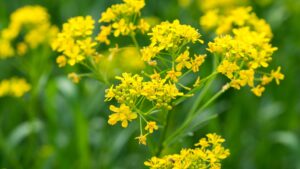
Isatis Isatis, commonly known as Woad (Isatis tinctoria), is a biennial herb that has been historically significant due to its use as a dye plant.
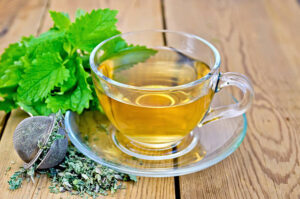
Lemon Balm & Sage Healing Tea An ancient blend that supports emotional healing and provides mental clarity during times of uncertainty and confusion. Ingredients: Lemon
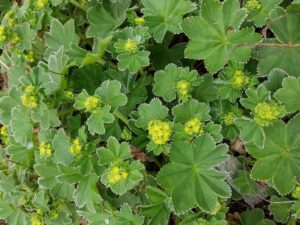
Lady's Mantle Lady's Mantle is a perennial herb known for its fan-shaped, serrated leaves and small yellow-green flowers. It has been traditionally used in herbal
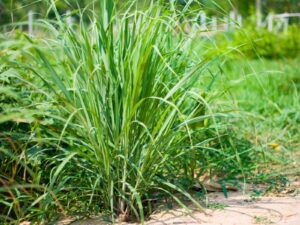
Lemon Grass Lemon Grass is a tropical herb known for its fresh, lemony aroma and flavor. It is widely used in culinary dishes, especially in
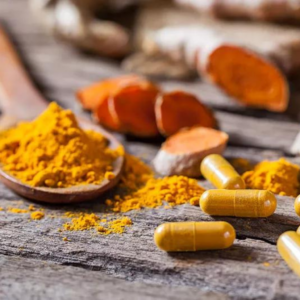
Turmeric and Cancer: The Role of Curcumin in Fighting Disease Turmeric, a vibrant yellow spice, has been celebrated for centuries for its medicinal properties, particularly