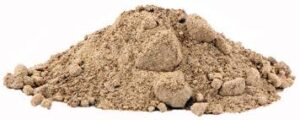
Benzoin Gum Powder
Benzoin Gum Powder Benzoin Gum Powder is derived from the resin of the Styrax benzoin tree, known for its sweet, balsamic aroma. The resin is
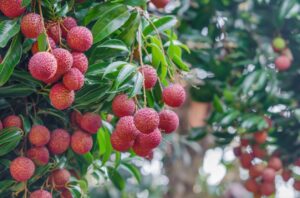
Lychee Berries
Lychee Berries Lychee Berries are tropical fruits known for their sweet flavor and distinctive appearance. They are highly valued in culinary applications and traditional medicine
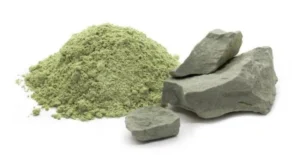
French Green Clay
French Green Clay The overall appearance of hibiscus flowers is bold and exotic, making them a popular choice for gardens, decorations, and floral arrangements. Their
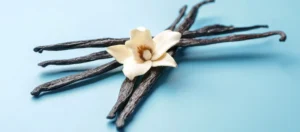
Vanilla Bean
Vanilla Bean Vanilla Bean is the fruit of the tropical orchid Vanilla planifolia, native to Mexico and now cultivated in various tropical regions around the
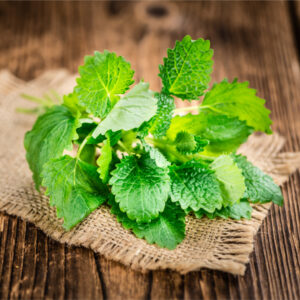
Lemon Balm
Lemon Balm Lemon Balm is a perennial herb in the mint family, known for its lemon-scented leaves and small, delicate flowers. It has been used
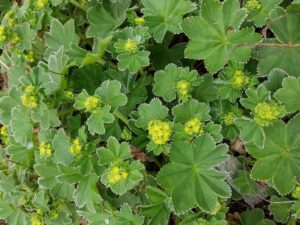
Lady’s Mantle
Lady's Mantle Lady's Mantle is a perennial herb known for its fan-shaped, serrated leaves and small yellow-green flowers. It has been traditionally used in herbal