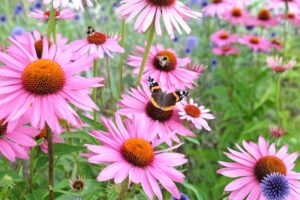
Echinacea and its Evolving Role in Cold Treatment
Echinacea and its Evolving Role in Cold Treatment Echinacea, a vibrant purple coneflower, has a rich history in traditional medicine, particularly valued for its immune-boosting
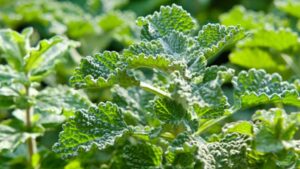
Horehound
Horehound The overall appearance of horehound is distinctive and somewhat rugged, making it a notable herb in both culinary and medicinal applications. With its square
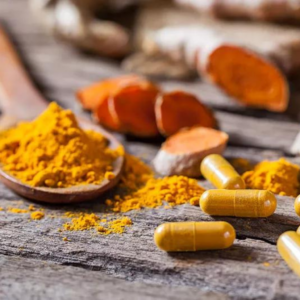
Turmeric and Cancer: The Role of Curcumin in Fighting Disease
Turmeric and Cancer: The Role of Curcumin in Fighting Disease Turmeric, a vibrant yellow spice, has been celebrated for centuries for its medicinal properties, particularly
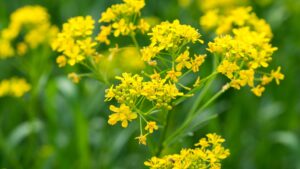
Isatis
Isatis Isatis, commonly known as Woad (Isatis tinctoria), is a biennial herb that has been historically significant due to its use as a dye plant.
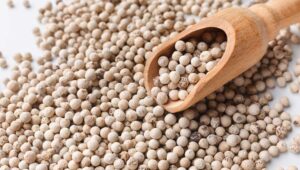
White Peppercorn
White Peppercorn White Peppercorns are derived from the same plant as black pepper, Piper nigrum, but are processed differently. They are fully ripened berries that
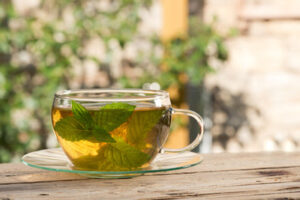
Chamomile & Peppermint Soothing Tea
Chamomile & Peppermint Soothing Tea This herbal tea is designed to calm the mind and body, making it perfect for a restful evening. Chamomile and